Comparing Wooden and Plastic Golf Tees for 2026 Play
As golf enthusiasts embrace the advancements in technology and materials, the year 2026 brings fresh perspectives on equipment choices. Golf tees, often overlooked, play a crucial role in a player's performance and can significantly influence the outcome of each swing. In this article, we delve into a comprehensive comparison of wooden and plastic golf tees, examining their benefits and drawbacks, to help players select the best option for their game in 2026.
Understanding Wooden Golf Tees
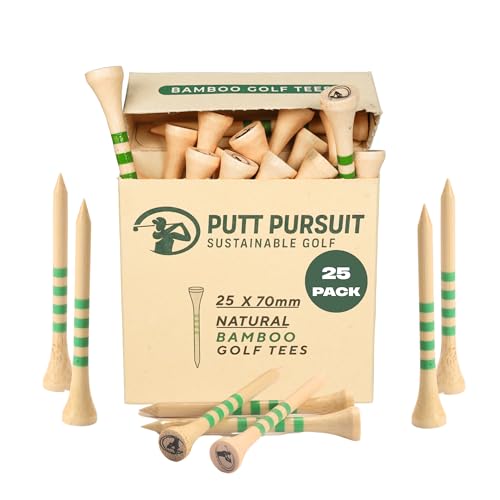
Wooden golf tees have been a staple in the sport for decades. Made from solid wood, typically hardwoods like maple or birch, these tees offer a classic feel and have been favored by many traditionalists. One of the primary advantages of wooden tees is their biodegradable nature, making them an environmentally friendly choice. In 2026, as sustainability becomes increasingly important, this aspect resonates well with eco-conscious players.
Another significant benefit of wooden tees is their ability to provide a consistent height for each shot. This consistency can lead to improved accuracy and distance, as players are able to replicate their tee height more easily. Additionally, the natural feel of wood can enhance the tactile experience during a swing. However, wooden tees do have their drawbacks; they can break more easily than plastic tees, particularly when used with high swing speeds.
Performance of Wooden Golf Tees
In 2026, advancements in wood processing and manufacturing techniques have resulted in stronger and more durable wooden tees. Players have reported experiencing fewer breakages compared to previous years, leading to a more reliable performance. For those who prioritize the traditional aspects of the game, wooden tees offer an appealing blend of nostalgia and functionality.
However, it is essential to consider the performance differences between various wooden tee lengths and diameters. Players should experiment with different sizes to find the best fit for their clubs, as this can significantly impact their game. For example, a driver may require a taller tee for optimal performance, while an iron may function better with a shorter one.
People Also Look For:
- CHAMPKEY Original Plastic Golf Tees 100 Pack | 85 Driver Tees with 15 Iron/Hybrid Tees Mixed Pack | Low Friction and Resistance Go...
- SZXMDKH Golf Tees Plastic, 70 Pcs Mixed Sizes Castle Golf Tees,Winter Golf Tees Small Castle Tees in Multiple Colors(5mm, 32mm, 39...
- Zivisk Blue Castle Golf Tees Plastic 38MM 100 Count 1 1/2 inch
- SWIFTEE Premium 10 Degree Golf Tees for Driver or Iron - Help Reduce Spin & Slice, Improve Distance & Precision (Pack of 10 Tees)
- TH Golf 1000 Pcs White 70mm 2 3/4'' Bamboo Golf Tees Eco Friendly & Sustainable Strong Bamboo
Exploring Plastic Golf Tees
Plastic golf tees have gained popularity over the years, especially among players seeking durability and versatility. In 2026, the market offers a plethora of plastic tee options, ranging from standard designs to innovative models equipped with advanced features. One of the primary advantages of plastic tees is their resilience; they can withstand multiple impacts without breaking, making them a practical choice for many golfers.
Additionally, plastic tees often come in various colors and designs, allowing players to express their personality on the course. Many players appreciate the ability to customize their equipment, and plastic tees offer a level of versatility that wooden tees do not. Furthermore, some plastic tees are designed to minimize resistance during a swing, potentially adding distance to shots.
Performance of Plastic Golf Tees
In 2026, the performance of plastic golf tees has been enhanced by new innovations in materials. Many manufacturers have developed tees that are not only durable but also flexible, providing a unique advantage during play. Players have noted that these flexible tees can reduce the impact on the clubface, resulting in better ball flight and less vibration during contact.
However, players should be aware of the potential downsides of plastic tees. Some golfers find that certain plastic models can create unwanted noise upon impact, which may be distracting. Additionally, while they are more durable, the environmental impact of plastic remains a concern for many players, particularly those committed to eco-friendly practices.
Choosing the Right Tee for Your Game
When deciding between wooden and plastic golf tees in 2026, players must consider several factors to ensure they make the best choice for their game. One crucial aspect is the player's swing speed and style. For instance, high swing speed players may benefit from the durability of plastic tees, while those who prefer a traditional feel might opt for wooden options.
Another consideration is the environmental impact of each option. As sustainability becomes a significant focus in the golfing community, many players are leaning towards wooden tees for their eco-friendliness. However, choosing a plastic tee that is recyclable can also align with sustainable practices.
Real World Scenarios
Imagine a weekend golf outing with friends where you decide to experiment with both types of tees. You start with a wooden tee, enjoying its classic feel and the satisfying sound it makes upon impact. However, as the game progresses, you find yourself breaking several tees due to mishits. Frustrated, you switch to a plastic tee, and immediately notice the difference in durability and performance. The flexibility of the plastic tee allows for a smoother strike, and you find that your drives are consistently longer.
On the other hand, consider a tournament setting where precision is key. Here, using wooden tees might give you the psychological edge, as many players feel they can control their shots better with the added consistency and height that wooden tees provide. In this competitive atmosphere, every little advantage counts, and the choice of tee can influence the outcome of your game.
Future Trends in Golf Tees
As we look ahead in 2026, the future of golf tees appears promising, with ongoing innovations in materials and designs. Manufacturers are likely to continue exploring hybrid models that combine the best features of both wooden and plastic tees. This could lead to the development of tees that offer the traditional feel of wood while maintaining the durability of plastic. Players can anticipate a growing selection of environmentally sustainable options as awareness of ecological issues increases.
With the rise of smart technology in golf, it is also possible that tees will evolve to include sensors that track performance metrics. Such innovations could provide players with valuable data to enhance their games, allowing them to make informed decisions on tee choices based on their performance.